Zero Power Point Template: A Strategic Framework for Intentional Presentation Design
Why Presentation Templates Deserve More Than Superficial Attention
Most presentation templates are marketed as time-savers. You download a file, swap in your content, and move on. But if you have ever sat through a generic slide deck that felt assembled rather than crafted, you already know the problem. A template that lacks strategic coherence does not just save time—it wastes attention.
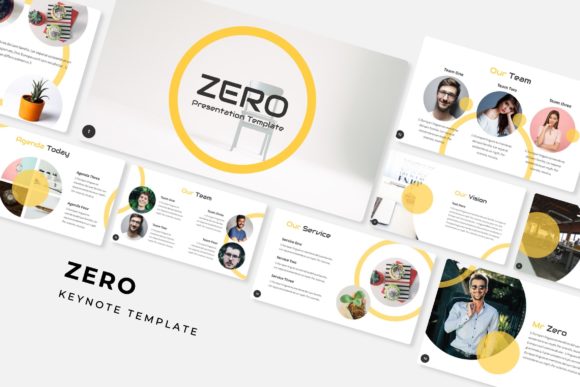
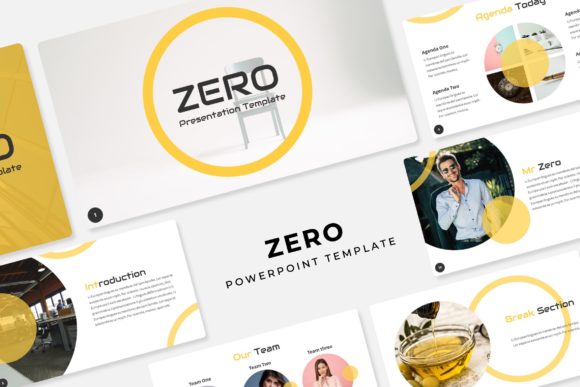
The Zero Power Point Template takes a different approach. With 150 total slides spread across five distinct color variations—30 slides per variation—it offers what might first appear to be simply a large library of options. But the real value lies in how those options are structured and what they make possible for someone who needs to communicate complex ideas clearly, consistently, and with visual credibility.
Before you decide whether this template belongs in your workflow, it helps to understand what it actually contains, why the structure matters, and how you might use it intentionally rather than as a crutch.
What the Zero Power Point Template Actually Offers
At its core, this is a template system built around five complete color variations. Each variation includes 30 slides, giving you a total of 150 pre-built slides to work with. But the design choices go beyond surface aesthetics.
- Five premade color schemes allow you to match brand guidelines, client preferences, or presentation tone without starting from scratch each time.
- Handcrafted infographics are built directly into the slides, which means you are not hunting for external chart tools or illustration packs to visualize data.
- Section break slides give your presentation clear structural pauses, helping audiences follow your narrative rather than losing track midway through.
- Gallery and portfolio slides make it possible to showcase work, case studies, or visual evidence without awkward cropping or cluttered layouts.
- Picture placeholders with drag-and-drop functionality reduce friction when adding your own images, which matters when you are preparing multiple decks under time pressure.
- Master slide-based architecture ensures that changes you make to fonts, colors, or spacing propagate consistently across the entire deck.
- Pixel-perfect illustrations mean you are not fighting alignment issues or resolution problems when projecting on large screens.
The deliverable includes five PPTX files, all in widescreen format, with five premade color options already applied. A Readme file guides you through setup, and free font download links are included so you do not have to guess which typefaces were used.
One important clarification: the photographs and pictures shown in the preview are for illustration only. They are not included in the download. That is standard practice, but worth noting so you plan accordingly for your own imagery.
Strategic Use Cases: When This Template Adds Real Value
The question is not whether the Zero Power Point Template looks good. The question is whether it helps you achieve a specific outcome. Here are several scenarios where the structure of this template supports strategic goals.
Internal Planning and Alignment Decks
If you are presenting a quarterly roadmap, a strategic initiative, or an operational review to colleagues, clarity and consistency matter more than visual flash. The section break slides and master slide consistency help your audience follow your logic across multiple topics. The infographic options let you show trend lines or resource allocations without exporting to a separate tool. For internal audiences who see many presentations, the lack of visual friction can be a subtle but meaningful advantage.
Client-Facing Proposals and Pitches
When you present to a potential client, every slide either builds trust or erodes it. A template that includes gallery slides for past work, portfolio slides for case studies, and clean infographics for data points gives you a structured way to tell a credible story. The five color variations also let you customize the look for each client industry or brand preference without redesigning your entire deck. That kind of flexibility, when used deliberately, signals professionalism and attentiveness.
Educational Content and Workshop Materials
Educators, trainers, and workshop facilitators often need to produce large amounts of slide content with limited design time. The 30 slides per color variation give you enough runway to build a full session without repeating layouts. The picture placeholders make it easy to include real-world examples or student work. And the master slide setup means you can adjust the font size or color contrast for accessibility without editing each slide individually.
Branded Content for Social and Web Publishing
While this is a PowerPoint template, many creators repurpose slide content for social media, blog posts, or lead magnets. The pixel-perfect illustrations and consistent color schemes mean you can export individual slides as images and maintain a cohesive visual identity across platforms. If you are creating a downloadable resource or a slide-based guide, the template saves you from rebuilding your visual system for each new asset.
How to Approach the Template Intentionally
A template is only as useful as the thinking that precedes it. Here are practical steps to use the Zero Power Point Template in a way that supports your goals rather than working around them.
Start with your narrative structure, not the slide selection. Before opening the template, outline your key message, your supporting points, and the sequence in which you want the audience to encounter them. Then map those points to the slide types in the template that best serve each purpose. The section breaks work well for major transitions. The infographic slides work best for claims that benefit from visual evidence. The gallery slides serve credibility and proof.
Choose one color variation and commit to it. The availability of five color schemes can tempt you to mix and match across slides. Resist that impulse. Consistency across all 30 slides in a single deck reinforces your message and builds visual trust. Use the other color variations for different presentations or different clients.
Replace placeholder content fully. The picture placeholders are designed for drag-and-drop ease, but that ease can lead to rushed choices. Take the time to select images that serve your content rather than just filling space. A generic stock image undermines the credibility that the template helps you build.
Test the font rendering before your presentation. The template uses free fonts, which is helpful for avoiding licensing issues. But free fonts sometimes render differently across operating systems or PowerPoint versions. Install the fonts early, test on the machine you will present from, and confirm that nothing shifts or breaks.
Risks of Using the Template Without Clear Goals
No template is immune to misuse. The most common risk with a large, well-designed template like this one is that the design quality creates a false sense of preparedness. You might spend time selecting colors and arranging visuals while the underlying argument remains weak or unclear. Audiences notice when a polished slide deck lacks substance, and that disconnect can damage your credibility more than a simple, honest presentation would.
Another risk is overloading. With 150 slides available, there is a temptation to include more content than your audience needs. More slides do not equal more impact. Be disciplined about what you leave out. A 15-slide deck that uses 15 of the best slides from the template will outperform a 50-slide deck that uses everything available.
Finally, if you rely on the same color variation for every presentation, your materials may start to feel repetitive to repeat viewers. The five color options mitigate this, but only if you rotate them purposefully based on context, audience, and message.
Long-Term Value: What This Template Makes Possible Over Time
The most strategic reason to invest in a template like this is not any single presentation. It is the cumulative effect of consistent, credible visual communication across many presentations over months or years. When your slides consistently look intentional, your audience stops noticing the design and starts focusing on the content. That shift is where real communication happens.
The master slide architecture also means that as your brand evolves—new colors, updated fonts, refreshed logo—you can update all your future decks from one place. That kind of operational efficiency matters for small business owners, marketers, and solo professionals who do not have a design team supporting them.
For educators and freelancers who produce multiple presentations per month, the time saved by having a proven slide structure already in place can be redirected toward higher-value activities: researching your topic, rehearsing your delivery, or connecting with your audience before you present.
A Final Observation on Templates and Intent
The Zero Power Point Template is not a shortcut to good communication. It is a tool that reduces the friction between your thinking and your audience's understanding. Used without intention, it can produce empty polish. Used with clarity about your goals, your audience, and your message, it can help you communicate more effectively than you would with a blank slide and a deadline.
The five color variations, the handcrafted infographics, the section breaks, the gallery layouts, the drag-and-drop placeholders, and the master slide system all serve one purpose: to let you focus on what you want to say rather than how to lay it out. If that aligns with how you work, the template is worth serious consideration. If you are looking for something that will do the thinking for you, no template will ever be enough.